THE PLACE THAT INVITES PEOPLE TO THE NATURE, SPORTS, AND HISTORY
Starting in the Roman times, Istanbul, which was called Constantinople at that time has been a world city ever since those times, and the fact that it is only possible to make the quality of life in this city sustainable by way of conserving the forests of the city. This fact was even realized by the Romans and the later inhabitants of this beautiful city. And for centuries such policies for conserving and protecting the forests of the city has been applied since the Roman times and also during the Ottoman Empire without interruption. The Belgrade Forest was also cherished by the Ottoman Sultans. The most important indication of this is the organization structure that was established and maintained during those times of the Ottoman and that was audited continuously with the decrees that were declared by the Ottoman sultans. The Ottoman Sultan Suleiman the Magnificent settled the captives that he captured during his military expedition to Belgrade in a village in this forest (1521), and this village in the forest was called the village of “Belgrade”, and therefore, the forest is called as the “ Belgrade Forest”. Later on when it was found that the village causes harm to the water jump (dam) the village was moved to some other place (1894), and afterwards the forest was safeguarded, and it was forbidden to cut off the trees in this forest.
Sinan the Architect joined 33 aqueducts in the Belgrade Forest in order to bring water to Istanbul. With this water canal which is called Kirkcesme which means forty fountains, he created a wonder of engineering. This work of art was so important that it is one of the most important water conveying systems after the Roman Empire times that had been constructed until the 20th century.
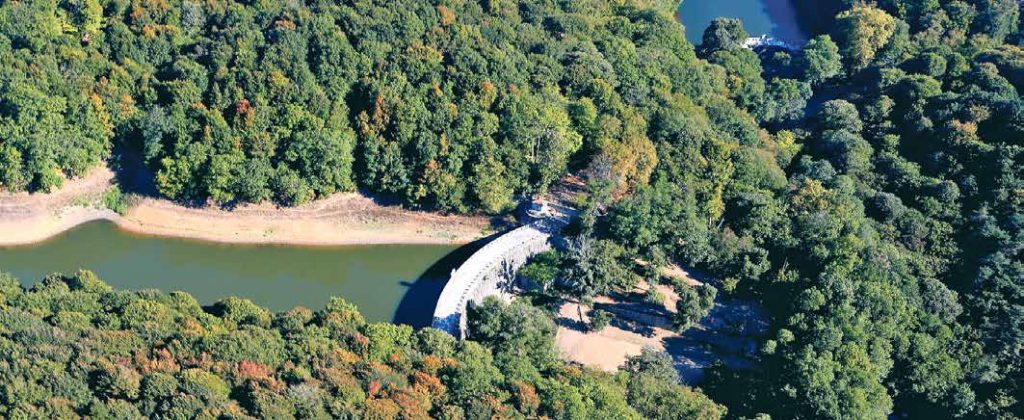
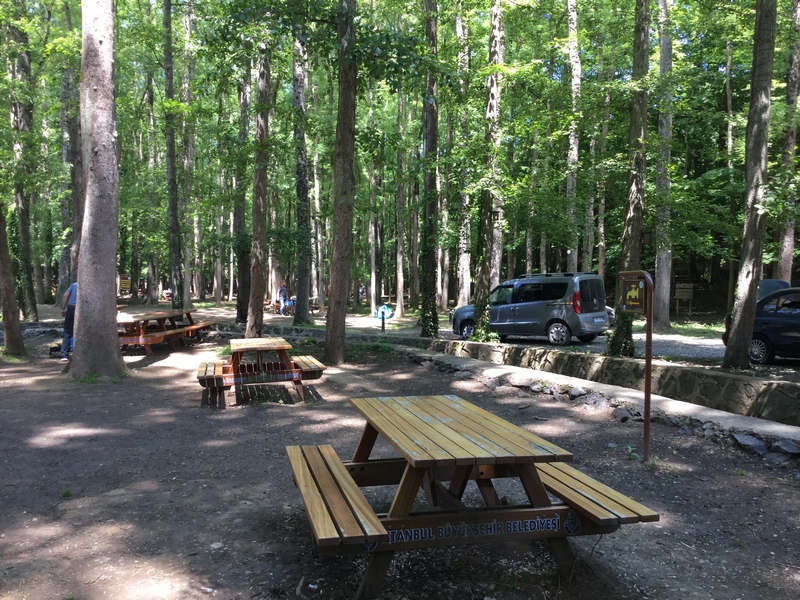
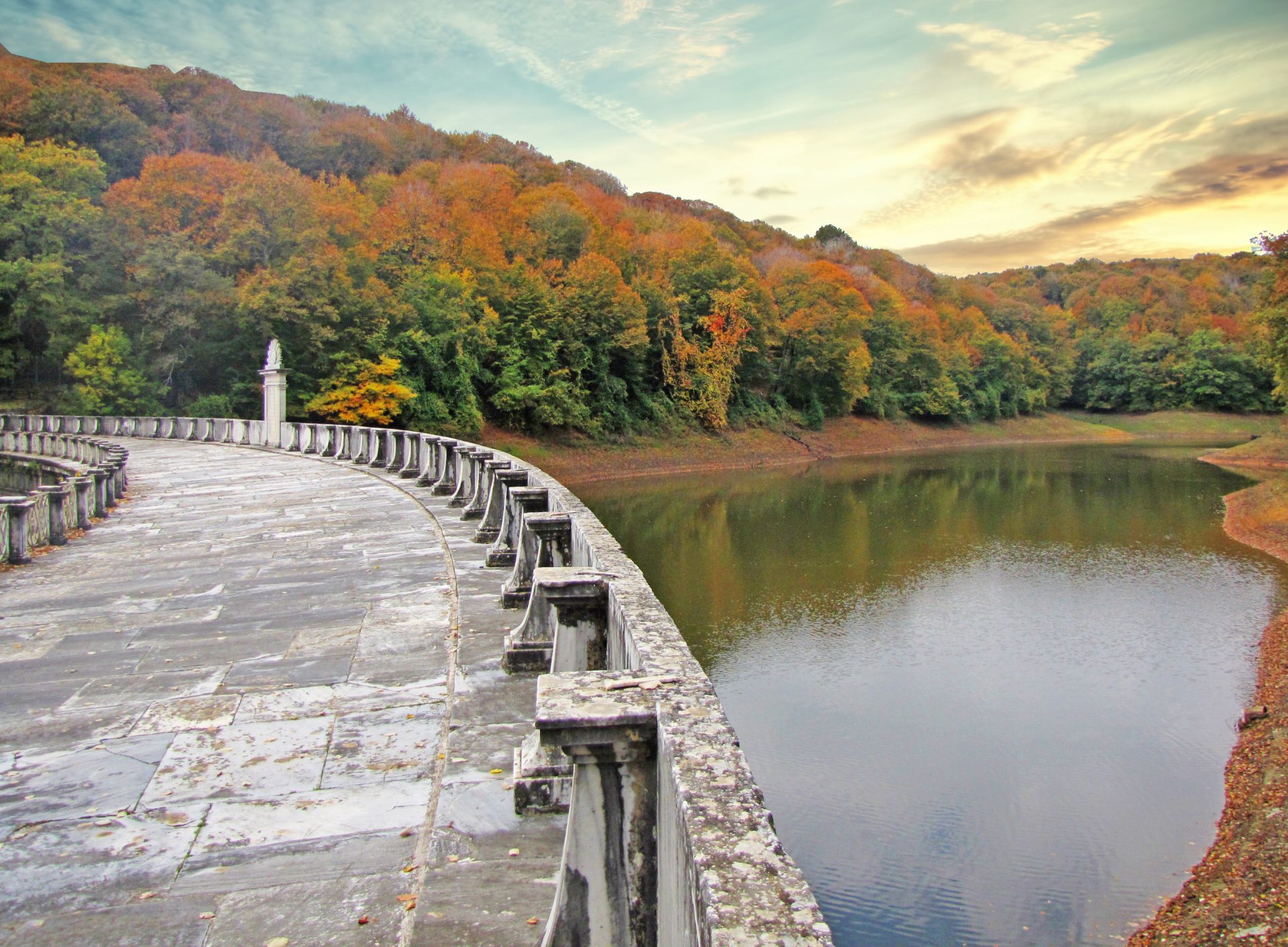
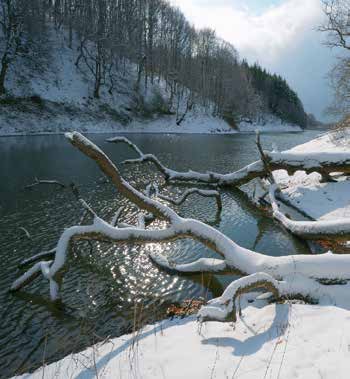
The most important reason why the forest is spared as a protection forest is that it had met the water needs of Istanbul for many centuries and that the seven water jumps (dams) are among the Kirkcesme and Taksim water canals which stil function at the present time as water canals within this forest. The nine Natural Parks within the Belgrade Forest provide very many recreational possibilities for their foreign and native visitors. The running and walking track, which is 6.5 km long, is located in Neşetsuyu Natural Park.
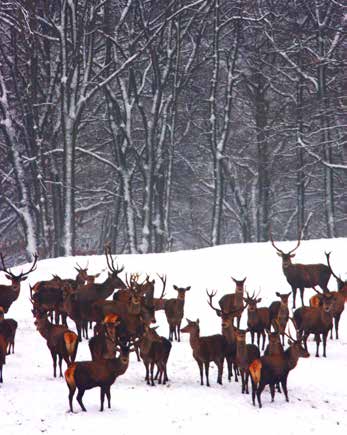
The Bahcekoy Deer Growing Station which was established in 1955 as the first wildlife animals hunting farm in Turkey is within the Belgrade Forest.
FLORA
The Belgrade Forest keeps a variety of differet kinds of plants. And therefore, it is very rich in terms of flora and geography of plants. The Belgrade Forest is at the intersection of the floras of the Balkans, Central Europe, and the Mediterranean.
Within the Belgrade Forest flora 282 different types of plants are discovered. 18 of these plant types are kinds of trees, 9 of them are exotic tree type which are obtained through planting works. And the total number of the other plants which are found to be in the bushes and grasses of the forest is 255 different kinds of plants. The main tree type in the forest is the oak trees. The oak trees are more than the other tree types. The major oak types are sessile oak (Quercus petraea subsp. iberica), Hungarian oak (Quercus frainetto), Mossy oak- Turkey oak (Quercus cerris). And there are also other oak tree types which are rarely found in the forest and which are called Cyprus oak (Quercus infectoria) and English Oak (Quercus robur). The hornbeam, chestnut, and common beech are the püre and mixed tree types that can be founf within the forest.
FAUNA
The Belgrade Forest, which is one of the most important concentration areas for bird migration in the world, hosts sorts of water birds, birds of prey, and singing birds during the migration periods. The forest also hosts the Black Sea mole (Talpa levantis), turtles (Testudo graeca) and the endemic sub-species of a butterfly sort which is called fake Apollo (Archon apollinus nikodemusi) and which are on the edge of extinction on a global scale are hosted in the forest. Among the butterfly sorts which are endangered on a global scale are Glaucopsyche arionand Bavius (Pseudophilotes bavius). In the Belgrade Forest there are also such mammalian sorts asDeers (Cervus elaphus), Feral Pigs (Sus scrofa Linnaeus), Jackals (Canis aureus Linnaeus), Foxes (Vulpes vulpes), Red Squirrels (Sciurus vulgaris), Roe deers (Capreolus capreolus), Hedgehogs (Erinaceus concolor), Moles (Talpa europaea
Linnaeus), Martens (Martes sp.) and Wild cats. Among the reptiles in the Belgrade Forest there are Snakes,Turtles, Lizards, and Frogs. There are various kinds of fish in the water jumps such as Carps (Cyprinus carpio L.).
NATURAL PARKS OF BELGRADE FOREST
There are 9 Nature Parks throughout the Belgrad Forest. However, 4 Nature Parks are waiting for you in the area entered from the Kurtkemeri or Bahçeköy entrance. The entrances of other Nature Parks are independent from the main entrance gate.
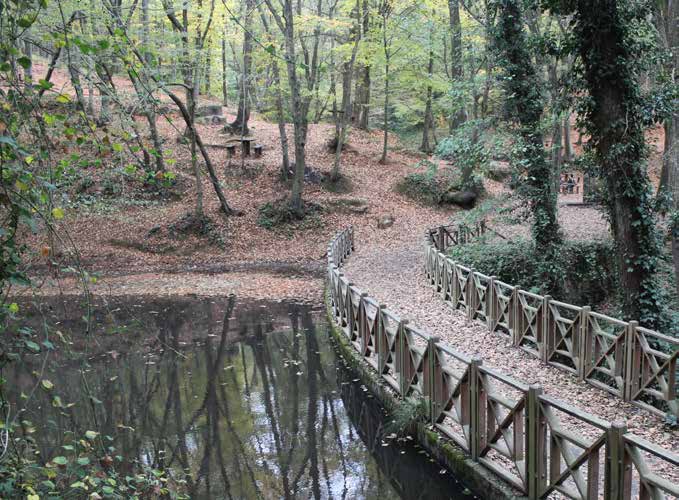
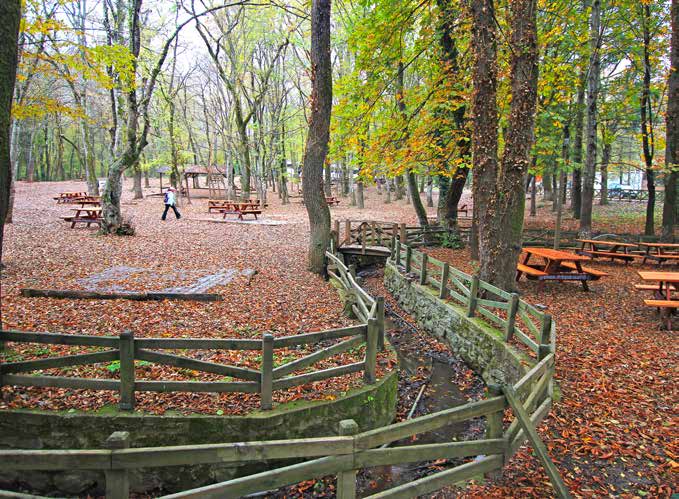

NATURAL PARK